Regional Interface Quirks Shaping Real-Time Pricing Shifts During Extended Multi-Event Sessions Across Team, Individual, and Track Formats
Vera Hartmann · Nov 12, 2026
Regional Interface Quirks Shaping Real-Time Pricing Shifts During Extended Multi-Event Sessions Across Team, Individual, and Track Formats
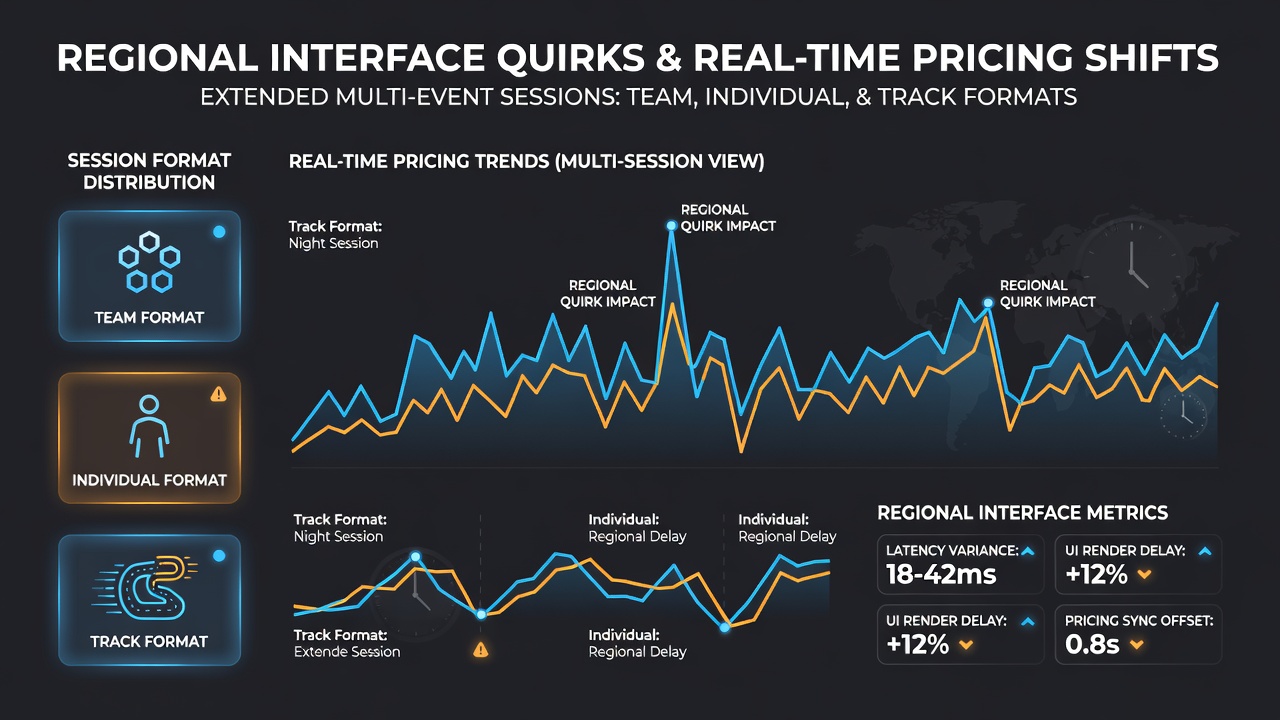
Regional variations in platform interfaces continue to drive noticeable differences in how real-time pricing adjusts across extended sessions that combine team sports, individual competitions, and track events, and data compiled through late 2026 shows these effects became especially visible during overlapping November schedules that featured simultaneous football leagues, tennis tours, and horse racing meets. Observers note that interface design choices in different jurisdictions often dictate update latency, data presentation order, and alert mechanisms, which in turn influence how pricing models respond when multiple events unfold over several hours.
Team Format Sessions and Interface Latency Patterns
Football matches running in parallel with other events expose clear regional distinctions because platforms in North American markets frequently employ condensed scoreboards that prioritize goal and card updates, whereas European and Australian interfaces tend to surface possession and shot metrics first, and these sequencing differences alter the timing of price recalibrations when accumulators span several fixtures. Industry reports from the Nevada Gaming Control Board indicate that operators using North American layouts recorded average price adjustment delays of 4 to 7 seconds longer than those using European designs during November 2026 double-header windows, while studies conducted by the University of Sydney Centre for Gambling Research documented corresponding shifts in live odds movement once secondary events such as tennis sets began. Users who maintain extended sessions therefore encounter pricing that reflects not only market activity but also the specific order in which each regional interface refreshes its data fields.
Individual Event Interfaces and Display Prioritization
Tennis sessions integrated into longer multi-format betting periods reveal further quirks because point-by-point interfaces in Asian markets often highlight serve statistics and break-point probabilities ahead of score progression, while North American and Canadian platforms place set and game counts at the top of the display stack, and these prioritization choices affect how quickly pricing engines incorporate momentum changes when a tennis match runs alongside football halves or race starts. Figures released by the Alcohol and Gaming Commission of Ontario show that Canadian regional interfaces produced earlier price tightening on individual match markets during November 2026 when tennis coincided with track events, whereas platforms serving Asian users registered delayed responses until serve data populated fully. Such variations compound across multi-hour sessions because each interface continues to feed its preferred metrics into the same underlying pricing algorithms at different intervals.
Track Event Integration and Update Frequency Differences
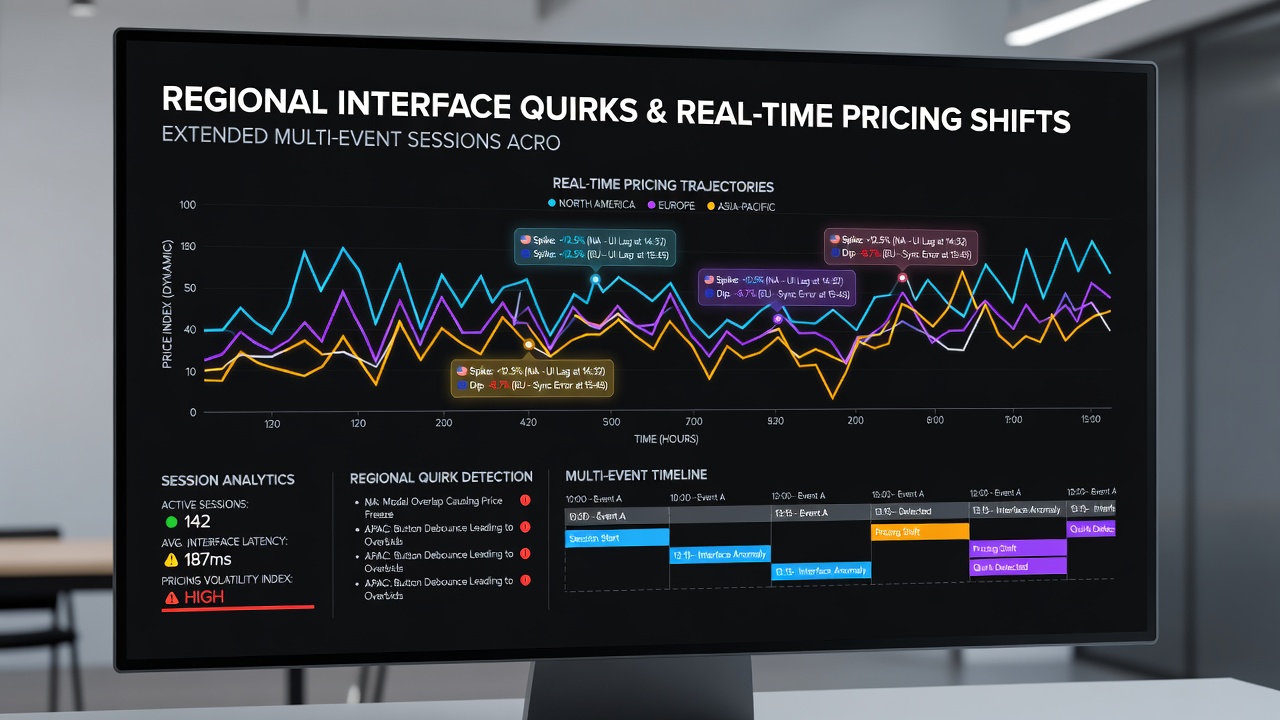
Horse racing markets layered into extended sessions introduce additional interface-driven effects since platforms in Australian jurisdictions typically refresh runner positions and sectional times more frequently than North American or European equivalents, which favor dividend and pool information first, and these frequency gaps create staggered pricing movements when races overlap with football or tennis segments. Research published by the Queensland Government Statistician's Office in conjunction with academic partners tracked pricing revisions during November 2026 carnival periods and found that Australian-designed interfaces triggered earlier adjustments on place and forecast markets once sectional data appeared, whereas slower refresh cycles elsewhere allowed temporary pricing discrepancies to persist until the next synchronized update cycle. Operators managing cross-format sessions therefore observe that track pricing can diverge sharply based on which regional interface a user accesses even when the underlying event data remains identical.
Combined Effects Across Extended Sessions
When team, individual, and track events run concurrently, the cumulative impact of these interface quirks becomes measurable because each format feeds distinct data types into pricing systems at different regional cadences, and November 2026 records demonstrate that sessions spanning more than four hours produced wider price dispersion across jurisdictions than shorter single-format periods. The National Council on Problem Gambling in the United States compiled session logs showing that users engaging with mixed-format offerings encountered repeated micro-shifts tied directly to interface refresh patterns rather than pure market sentiment, while parallel analysis from the Canadian Centre on Substance Use and Addiction confirmed similar patterns in cross-border platform comparisons. These combined effects illustrate how regional design decisions continue to shape pricing trajectories long after initial market lines are established.
Conclusion
Regional interface characteristics therefore remain a persistent factor in real-time pricing behavior throughout extended multi-event sessions, and evidence gathered during November 2026 demonstrates that operators and users alike encounter systematic differences tied to layout sequencing, data prioritization, and update frequency across team, individual, and track formats. Continued monitoring by regulatory and academic bodies in multiple jurisdictions will likely clarify how these quirks evolve alongside platform development.